Every child deserves the chance to make friends, share ideas, and feel understood by the people around them. Social communication skills are the building blocks that make all of this possible. These skills include using words, body language, and emotions to connect with others in everyday life.
For many children, these abilities grow naturally. But for children with speech delays, autism spectrum disorder, or other communication disorders in children, social skills don’t always come easily. This is where speech and language therapy plays a powerful role.
In this guide, we will explain what social communication skills are, why they matter so much, and how speech therapy for children helps build confidence, friendships, and lifelong success.
This article draws on real-world clinical experience and current research in speech-language pathology, so parents can feel confident in the guidance shared here, not just hopeful about it.
What Are Social Communication Skills?
Definition of Social Communication Skills
Social communication skills refer to a child’s ability to use language appropriately in social situations. This includes talking, listening, sharing ideas, and following the unspoken rules of conversation. Experts often describe this set of abilities as pragmatic language skills.
A child with strong social communication skills knows not just what to say, but when, how, and to whom to say it.
Verbal vs. Nonverbal Communication
Children communicate in two main ways. Verbal communication includes spoken words, tone of voice, and sentence structure. Nonverbal communication includes facial expressions, gestures, posture, and eye contact and communication cues.
Strong social communication depends on mastering both verbal and nonverbal communication together, not just one or the other.
Components of Social Communication
Social communication is generally broken into three main parts:
- Social interaction skills – greeting others, sharing, and playing cooperatively
- Social cognition – understanding other people’s feelings and perspectives
- Pragmatics – adjusting language to fit different people and settings
These three pieces work together to help a child connect comfortably with the world around them.
Why Are Social Communication Skills Important for Children?
Academic Success
Children with strong communication skills participate more actively in class discussions, follow multi-step instructions, and collaborate well during group work. Good social communication directly supports school readiness and learning.
Building Friendships
Friendships are built on shared conversation, turn-taking, and empathy. Children who struggle with peer interaction skills often find it harder to start and maintain friendships, even when they want connection just as much as their peers.
Emotional Development
Talking about feelings helps children manage big emotions. Strong emotional communication skills allow kids to express frustration, joy, or worry through words instead of tantrums or withdrawal.
Confidence and Independence
When children can express their needs clearly, they feel more confident asking for help, joining new activities, and speaking up for themselves at home and school.
Examples of Social Communication Skills in Children
Making Eye Contact
Looking at someone while talking or listening shows interest and helps build trust during conversation.
Taking Turns in Conversations
Knowing when to talk and when to listen is one of the most important conversational skills in children.
Asking and Answering Questions
Curious, back-and-forth exchanges are a healthy sign of growing expressive and receptive language.
Understanding Facial Expressions
Reading a smile, frown, or confused look helps a child respond in a way that fits the moment.
Understanding Body Language
Noticing crossed arms or a turned-away body helps a child realize when someone needs space or is upset.
Greeting Others Appropriately
Saying “hello,” waving, or asking “how are you?” are simple but important early social skills.
Social Communication Milestones by Age
Tracking communication milestones helps parents and professionals spot communication challenges in children early.
Ages 1–2 Years
- Points to objects to show interest
- Responds when their name is called
- Uses simple words like “mama” or “more”
Ages 2–3 Years
- Uses short two- to three-word phrases
- Engages in simple pretend play
- Begins taking turns with toys
Ages 3–5 Years
- Holds short back-and-forth conversations
- Recognizes basic emotions in others
- Plays cooperatively with peers
Ages 5–8 Years
- Uses longer, more complex sentences
- Understands jokes and simple sarcasm
- Resolves small conflicts with friends independently
Signs of Poor Social Communication Skills in Children
Difficulty Making Friends
Some children struggle to join group play or keep friendships going over time.
Poor Eye Contact
Avoiding eye contact during conversation, especially past toddler age, can be an early warning sign.
Difficulty Starting Conversations
A child may have plenty of words but still struggle to begin or keep a conversation going.
Trouble Understanding Social Cues
Missing jokes, sarcasm, or unspoken social rules is common in children with a social communication disorder.
Difficulty Taking Turns
Frequently interrupting or talking only about one favorite topic can signal an underlying communication challenge.
These are some of the most common signs of poor social communication skills in children, and they are worth discussing with a professional if they persist.
What Causes Social Communication Difficulties in Children?
Autism Spectrum Disorder (ASD)
Many children with autism experience real challenges with social interaction and pragmatic language, even when their vocabulary is strong.
Speech and Language Delays
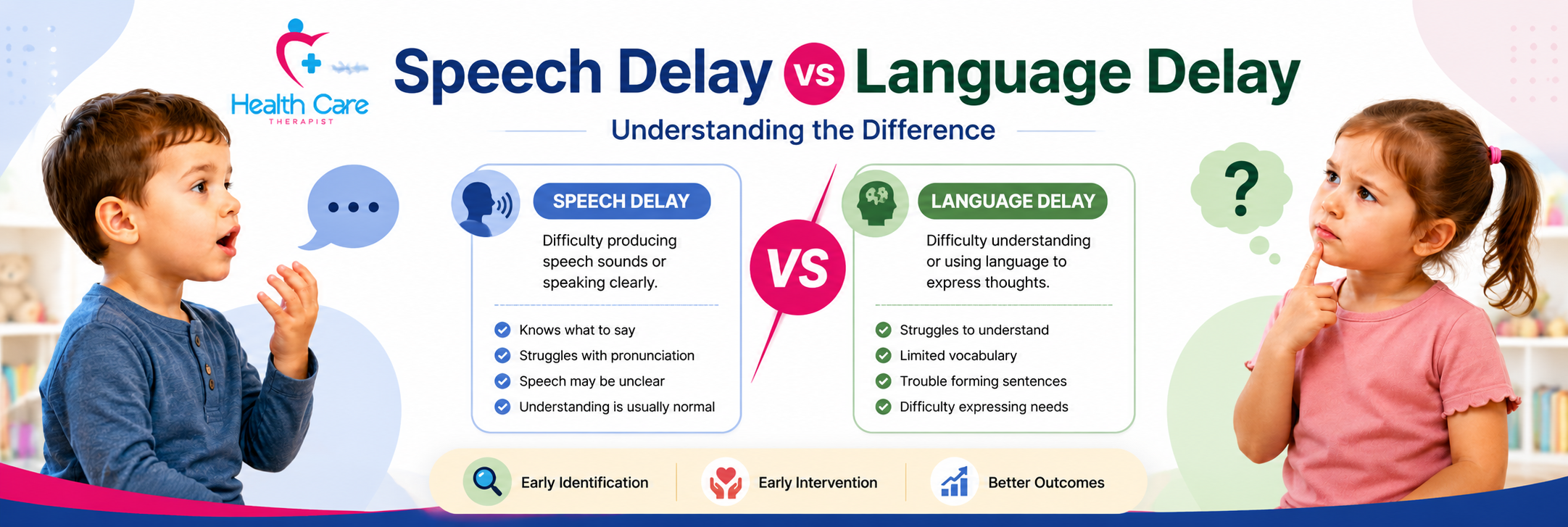
A speech delay and communication issues often appear together, since spoken language is the foundation for many social skills.
ADHD
Impulsivity and trouble focusing can make it hard for a child to follow conversations or wait their turn to speak.
Developmental Delays
General developmental delays can affect the pace at which social and communication skills emerge.
Hearing Difficulties
Children with hearing loss may miss out on the language exposure they need to build healthy social communication.
Anxiety and Social Challenges
Social anxiety can cause a child to avoid conversations and group settings, even when their underlying language skills are typical.
What Is Social Communication Disorder (SCD)?
Definition
Social Communication Disorder, or SCD, describes ongoing difficulty using verbal and nonverbal communication for social purposes, without the repetitive behaviors typically seen in autism.
Symptoms
- Trouble adjusting communication style to different settings
- Difficulty following the basic rules of conversation
- Trouble understanding implied meaning, humor, or idioms
Differences Between SCD and Autism
Both conditions involve social communication challenges. However, autism also includes restricted interests and repetitive behaviors, while SCD centers mainly on communication itself, without these additional traits.
Diagnosis and Treatment
A certified speech-language therapist can diagnose SCD through observation, parent interviews, and standardized testing, then build an individualized therapy plan suited to the child’s specific needs.
How Are Social Communication Skills Assessed?
Parent Interviews
Parents share real, everyday examples of how their child communicates at home, which gives therapists valuable context.
Play-Based Observation
Therapists watch children play naturally to see genuine social interaction skills in action, rather than relying only on formal testing.
Standardized Assessments
Formal tools compare a child’s expressive and receptive language to typical milestones for their age group.
Teacher Feedback
Teachers offer helpful insight into classroom behavior, group work, and peer interaction skills.
Setting Therapy Goals
After a complete communication assessment for children, the therapist creates clear, individualized communication goals based on the child’s unique strengths and challenges.
How Speech and Language Therapy Improves Social Communication Skills in Children
Communication Assessment
Every therapy journey begins with a thorough speech and language evaluation. This step pinpoints exactly where a child struggles, whether in pragmatic language, vocabulary, or social understanding, and gives the therapist a clear starting point for treatment.
A skilled pediatric speech-language pathologist will combine this evaluation with pragmatic language intervention planning, so therapy targets real situations the child faces at home, at school, and with friends, rather than generic exercises.
Individualized Therapy Plans
No two children communicate in exactly the same way. That is why individualized therapy plans, built on evidence-based speech therapy techniques, sit at the center of effective treatment.
Improving Conversation Skills
Therapists use structured, guided practice to strengthen conversational skills in children, including starting topics, asking follow-up questions, and staying on subject.
Teaching Social Understanding
Therapy helps children recognize facial expressions, tone of voice, and body language, building stronger social cognition over time.
Building Peer Interaction Skills
Group activities and guided play give children safe, supportive spaces to practice real peer interaction skills with helpful feedback along the way.
Increasing Confidence
As communication improves, children naturally feel more comfortable joining conversations, making friends, and speaking up in class.
Many parent experiences with speech therapy describe a similar turning point: a quiet child who once stood at the edge of the playground starts walking up to other kids and asking, “Can I play too?” That single sentence often reflects months of patient, structured practice paying off.
This is the heart of how speech therapy improves social communication skills in children: steady, supported practice that turns small wins into lasting habits.
Speech Therapy Techniques Used to Improve Social Communication Skills
Pragmatic Language Therapy
This approach directly targets pragmatic language skills, teaching children the unwritten rules that guide everyday conversation.
Role-Playing Activities
Acting out real-life scenarios, like ordering food or greeting a friend, builds practical skills in a relaxed, low-pressure setting.
Social Stories
Short, simple stories explain social situations and expected behaviors, helping children predict and prepare for situations they will actually face.
Video Modeling
Watching short videos of appropriate social interaction allows children to learn by observation and imitation, at their own pace.
Group Therapy Sessions
Practicing alongside peers in group therapy sessions naturally builds turn-taking, listening, and cooperation skills.
Play-Based Therapy
For younger children, play-based therapy turns goals into games, transforming everyday communication development activities into something genuinely enjoyable.
Visual Supports
Picture cards, charts, and visual schedules help children who learn best by seeing concepts, not just hearing them explained.
Benefits of Speech and Language Therapy for Social Communication Skills
Better Peer Relationships
Children build the skills they need to start, maintain, and genuinely enjoy friendships with classmates and siblings alike.
Improved Classroom Participation
Stronger communication skills lead to more confident participation in group discussions, presentations, and classroom activities.
Increased Confidence
As children see real progress, they take pride in their growing ability to connect with others.
Better Emotional Regulation
Being able to put feelings into words reduces frustration and lowers the frequency of meltdowns.
Enhanced Problem-Solving Skills
Through therapist-guided communication exercises, children practice negotiating, compromising, and resolving conflicts with peers.
These are just some of the benefits of social communication skills therapy for children that families notice within the first few months of consistent practice.
Activities to Improve Social Communication Skills at Home
Turn-Taking Games
Simple games with clear rules naturally teach patience, waiting, and turn-taking.
Pretend Play
Acting out everyday scenes, like a pretend tea party or grocery store visit, builds both conversation and imagination.
Reading Stories Together
Pausing to talk about how a character feels strengthens emotional communication skills and vocabulary at the same time.
Emotion Recognition Activities
Matching faces to feelings, or practicing expressions in a mirror, strengthens a child’s nonverbal communication skills.
Board Games
Games with turns, rules, and shared goals make excellent communication development activities that double as family fun.
Encouraging Daily Conversations
Simple daily check-ins, like asking about their day at dinner, build real, lasting conversational habits.
These simple activities to improve social communication skills in children can be woven into daily routines without feeling like extra work.
Social Communication Skills and Autism Spectrum Disorder
Common Communication Challenges
Children with autism often face real challenges with eye contact, understanding sarcasm, and reading body language accurately.
Benefits of Early Intervention
Starting early intervention services as soon as possible leads to stronger, longer-lasting outcomes in both communication and social skills.
Therapy Approaches for Children with Autism
Speech and language therapy for children with autism often blends pragmatic language therapy, visual supports, and social stories. These social communication activities for children with autism are chosen carefully to match each child’s needs.
The Role of Parents
Parents play an essential role by practicing therapy strategies at home and reinforcing what their child learns during sessions.
How Parents Can Support Social Communication Development
Create Communication Opportunities
Give your child small chances to communicate, like ordering their own food or describing their day in detail.
Encourage Peer Interaction
Arrange playdates and group activities so children can practice real peer interaction skills outside the therapy room.
Model Appropriate Communication
Children learn by watching. Show them how to greet others, take turns speaking, and use polite, friendly language.
Reinforce Positive Social Behaviors
Praise good eye contact, sharing, and turn-taking when you see them to encourage more of the same behavior over time.
Limit Excessive Screen Time
Too much screen time can crowd out face-to-face interaction. Balance screens with real conversation, play, and shared activities.
When Should Parents Seek Professional Help?
Red Flags by Age
- No words by 16 months
- No two-word phrases by age 2
- Avoiding eye contact or peer play by age 3
- Difficulty holding simple conversations by age 5
When to Consult a Speech-Language Therapist
If your child shows ongoing signs of poor social communication skills in children, or if a teacher raises concerns, it is a good time to consult a pediatric speech-language pathologist.
Why Early Intervention Matters
Early intervention services tend to produce faster progress and can reduce the risk of long-term academic and social struggles later on.
Benefits of Early Speech and Language Therapy Intervention
Improved Social Skills
Early therapy builds a strong foundation for social skills development in children well before they start school.
Better Academic Performance
Strong language skills directly support reading comprehension, writing, and active classroom participation.
Stronger Relationships
Children who communicate well tend to form deeper, more lasting friendships and family bonds.
Greater Independence
Clear communication helps children advocate for their own needs, both at home and in the wider world.
Long-Term Developmental Outcomes
Research consistently shows that early intervention has lasting, positive effects on language and social development that extend well into adolescence and adulthood.
Why Choose Professional Speech and Language Therapy Services in Lahore?
If you are looking for trusted speech and language therapy services in Lahore, here is what to expect from a quality provider:
- Evidence-based therapy methods backed by current research in speech-language pathology
- Qualified therapists, each a certified speech-language therapist with pediatric experience
- Personalized treatment plans built around your child’s specific needs and goals
- Family-centered approach that includes parents as active partners in every session
- Progress monitoring and assessments to track real, measurable growth over time
- Child-friendly therapy sessions designed to feel like play, not pressure
- A multidisciplinary therapy approach, drawing on speech-language pathology services alongside occupational and behavioral support when needed
Working with professional speech therapists in Lahore who combine clinical expertise with compassionate pediatric care gives families confidence that every session is purposeful, warm, and centered on the child.
Explore our Speech and Language Therapy Services in Lahore page to see how our team of child communication specialists can support your child’s growth, one conversation at a time.
Real-Life Improvements Seen After Speech Therapy
Parents often share meaningful success stories of children in speech therapy. Common, real-life speech therapy outcomes include:
- Improved conversations – children move from one-word answers to genuine back-and-forth discussions
- Better friendships – kids learn how to join group play and keep friendships going
- Increased classroom participation – children raise their hands, answer questions, and join group projects
- Greater confidence and independence – many parents notice their child speaking up for themselves more often, both at home and at school
These outcomes are not just statistics. They are the quiet, everyday moments: an unprompted greeting, a shared joke, and a new friend that show real growth is happening.
Many parents describe their own experience in similar terms: relief at hearing their child start a conversation unprompted, or pride at watching them navigate a disagreement with a friend instead of melting down. These parent experiences with speech therapy are a reminder that progress is measured not only in assessment scores but also in everyday connection.
Conclusion
Social communication skills shape how children connect with the world, from making their very first friend to thriving in a busy classroom. When these skills do not develop naturally on their own, speech and language therapy offers proven, compassionate support.
Through individualized therapy plans, evidence-based speech therapy techniques, and a genuinely parent-centered approach, children can build the conversational, social, and emotional skills they need for a lifetime of meaningful connection.
If you have noticed signs of communication challenges in your child, do not wait and see. Early intervention services make a real, lasting difference. Reach out to our Speech and Language Therapy Services in Lahore today to schedule a communication assessment and start your child’s journey toward confident, connected communication.
Frequently Asked Questions
1. What are social communication skills in children?
Social communication skills are the ability to use language, body language, and emotional expression to interact comfortably with others in everyday social situations.
2. Why are social communication skills important?
They help children build friendships, succeed in school, manage their emotions, and grow into confident, independent individuals.
3. How does speech therapy improve social communication skills?
Speech and language therapy uses individualized therapy plans, role-playing, social stories, and guided practice to teach pragmatic language skills and strengthen everyday conversational skills.
4. What are examples of social communication skills?
Examples include making eye contact, taking turns in conversation, understanding facial expressions, and greeting others appropriately.
5. What causes social communication difficulties?
Common causes include autism spectrum disorder, speech and language delays, ADHD, hearing difficulties, and social anxiety.
6. Can social communication skills be improved?
Yes. With consistent speech therapy for children and supportive practice at home, most children show real, measurable improvement in their social communication skills over time.
7. Is social communication disorder the same as autism?
No. Social communication disorder involves ongoing communication difficulties without the repetitive behaviors and restricted interests typically seen in autism spectrum disorder.
8. When should a child see a speech therapist?
Parents should consult a speech-language therapist if their child shows red flags such as no words by 16 months, avoiding eye contact, or ongoing trouble making friends by preschool age.